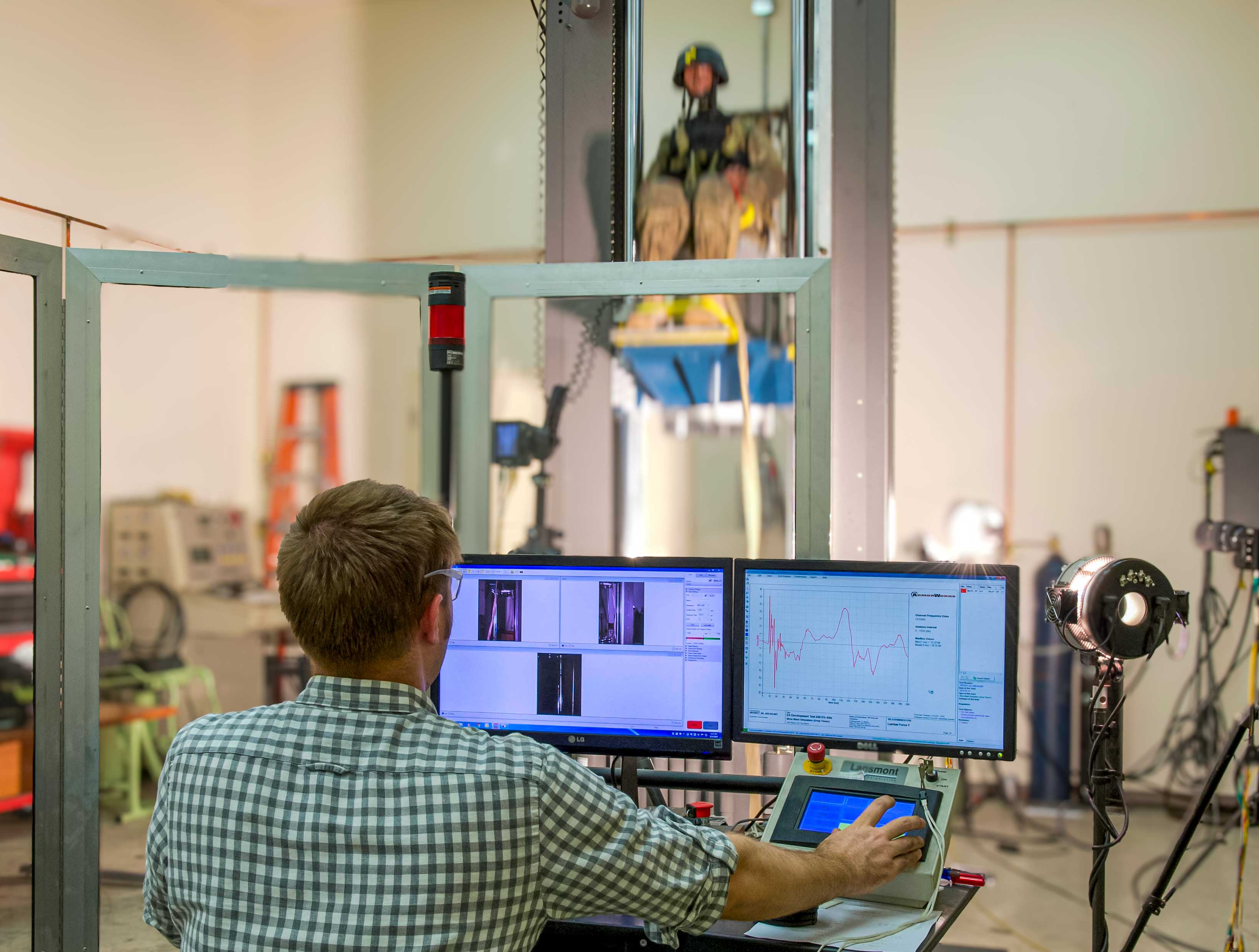
Defense programs are under pressure. Two questions keep coming up:
At first, both seem to be asking for speed. In practice, they point toward a broader conversation about taking a more commercial approach. That conversation touches every stage of a program. From early engineering through production at scale, defense programs require technical discipline, qualification and repeatability to remain intact.
Movingat a commercial pace means holding that discipline across every phase of aprogram. It requires engineering, validation, qualification and manufacturingto maintain momentum together as requirements and technologies continue toevolve.
That’s the part of this conversation worth slowing down on.
The push to get capability to the warfighter faster is shaping how the Department of War (DoW) approaches acquisition.
Commercial Solutions Openings (CSOs) are one example. CSOs give the DoW a more flexible way to define a capability need, consider commercial solutions and technical approaches, and move promising solutions through the acquisition process. The increased use is part of a broader effort to close the gap between commercial innovation and what gets fielded for defense programs.
Commercial acquisition pathways can create an opportunity to move faster. Whether a program actually captures that opportunity depends on what happens next. The organizations supporting the program have to be prepared to carry that pace forward as the capability moves toward fielding and production.
For the engineers and manufacturers supporting these programs, acquisition reform becomes an execution question: What does commercial pace require from the defense providers expected to turn capability into qualified, scalable production?
For defense programs, commercial pace asks two separate things of providers. First, when asked to shorten the path to fielding, the starting point matters. If capabilities can be built on commercial off-the-shelf (COTS) or other proven technologies and solutions, some of the development has already been completed. Although defense applications carry their own technical and qualification requirements, the starting point changes how much work still needs to be done.
The second is whether that pace holds once a program moves into production. Building a prototype or producing a small number of units quickly is different from being prepared to manufacture repeatedly when demand increases. Capacity, repeatability, supply-chain readiness, workforce and the ability to sustain production become part of defense program requirements.
Those are different measures of readiness. One affects how quickly a capability can move toward the warfighter. The other determines whether a provider can continue delivering as production volumes increase.
A defense provider operating at commercial pace has to be prepared for both: the ability to move capability toward fielding and the readiness to support production at the scale the program requires.
Design and development have significant influence on program timelines. Solutions that begin with mature, proven technologies can reduce development work, but a willingness to build on something proven doesn’t shortcut defense-specific requirements. From there, speed is influenced upstream.
That makes early engineering important. As defense requirements evolve, engineering teams look at how design decisions affect the next stage. Prototypes create opportunities to test decisions against requirements, identify changes and carry what is learned into the design. Testing and validation become part of the development process.
Manufacturing considerations are part of early conversations. Designs need to satisfy technical performance and move into something that can be produced consistently. Bringing manufacturing experience into development puts materials, processes, tolerances, inspection and repeatability into the conversation while the design can still respond to what the program is learning.
Responsiveness matters. Momentum comes from connecting engineering decisions, test results, qualification requirements and manufacturing realities and carrying them through iterations as programs evolve. Early considerations position programs to move toward qualified capability at commercial pace.
That’s the first part. The second question is whether the same defense provider is prepared for greater production demand.
Readiness looks different as programs move toward production. Prototypes and early test runs for small numbers of units prove a solution works, but don’t demonstrate defense-specific production at a commercial pace. Sustained production requires repeatedly building a capability, while maintaining quality, consistency and schedule at increasing volumes.
Some emerging requirements are changing the meaning of volume in defense. Programs built around attritable systems, where units will be used up, call for production numbers that look nothing like traditional low-rate runs for defense products designed for long-term sustainment. Manufacturing readiness has to account for that.
Getting there depends on the production systems around the work. Supply chains have to keep pace with volume. Workforce and equipment need to scale with output. Quality and consistency have to hold at production rate the same way as during qualification. Preparing systems for greater demand may require additional equipment, facilities, supplier commitments and workforce, all of which take time and capital.
Demand visibility makes planning possible. Providers need to understand expected requirements and timing to make appropriate investments in capacity. Commercially paced programs depend on capacity being ready when production requirements increase. Demand visibility, investment, and capacity are connected in determining whether production can sustain the pace established earlier in the program.
This is where production readiness becomes part of the speed conversation. Scaling successfully depends on what is already in place when production demand increases.
Commercial pace readiness shows up in the transitions. Advanced engineering and rapid prototyping connect with testing, integration, and scalable production across the full product lifecycle. Each stage carries decisions and requirements forward.
Integrated engineering and manufacturing bring design intent through transitions. Defense quality standards and checks are applied throughout the process. Prototypes are produced under an ISO-9001 controlled quality system, bringing production discipline into the program while designs are still developing.
Qualification and manufacturing experience add another layer. AS9100D-certified processes and NAVSEA-qualified fabrication support programs where controlled processes, inspection, documentation and repeatability are part of execution. As requirements change, engineering and manufacturing teams respond within established systems while maintaining the discipline required for defense applications.
Agility comes into play as defense programs change. When design requirements shift, production needs to respond to them. Having established engineering and manufacturing capability in one place gives teams the flexibility to work through changes and make decisions without separating responsiveness from the technical requirements the program has to meet.
What begins as an engineering requirement becomes a qualified capability that can be produced repeatedly as demand grows.
Getting equipment to the warfighter faster and scaling when demand increases are deeply connected. Both depend on what happens as programs move from initial requirements to qualified capability and sustained production.
The work starts upstream. Building on mature, commercially proven technologies can reduce development work and shorten the path toward fielding. From there, decisions made through engineering, development, testing and qualification shape the pace that follows.
As demand increases, momentum has to continue at scale in production. Manufacturing readiness, repeatability and capacity determine whether a defense provider is prepared to support the program at the volume required.
Commercial pace only holds if the discipline behind it carries through the full program. The technologies and decisions established during development have to move through qualification into repeatable production at scale. For the warfighter, the outcome is capability that can move toward the field and continue being delivered as the mission requires.
What does a commercial approach mean in defense manufacturing? Commercial approaches start with mature, proven technologies, including commercial off-the-shelf (COTS) solutions. This reduces the development work required to move toward fielding, even with defense applications bringing their own engineering, testing and qualification requirements. Commercial pace also requires readiness to sustain production as demand increases.
How do defense providers maintain engineering discipline while moving faster? Speed is influenced upstream. Early engineering involvement connects design decisions with prototyping, testing, qualification requirements and manufacturing considerations while the program is still developing. This maintains momentum toward qualified capability as requirements change.
How does qualification fit into commercial pace? Qualification is part of the path to fielding even when a program begins with mature or commercially proven technology. Maintaining commercial pace means carrying technical requirements through development and qualification while preparing the capability for repeatable production.
What is the difference between rapid prototyping and production readiness? Rapid prototyping demonstrates that a solution works and allows design decisions to be tested against requirements. Production readiness addresses whether that capability can be built repeatedly while maintaining quality, consistency and schedule as volumes increase with demand.
What does production readiness require as demand increases? Sustained production depends on supply-chain readiness, workforce, equipment, repeatability and sufficient capacity. Demand visibility supports planning by giving defense providers the information needed to make appropriate investments in capacity.
Subscribe for updates and relevant resources from Ravelin Defense.


.svg)
Subscribe for updates and relevant resources from Ravelin Defense.

ArmorWorks is Top Supplier for Bechtel 2024
.jpg)
ArmorWorks Enterprises and Fox Valley Metal Tech are joining under Ravelin Defense to advance innovation and manufacturing capabilities in the defense industry.
.webp)



.svg)
